

Urbanization and industrialization in a country like Zambia has brought about development and economic opportunities, however this progress has come with significant costs to public health.
Lusaka in particular has been grappling with the adverse effects of cholera and a huge contributor to this crisis is pollution not only in drinking water but on the environment as well.
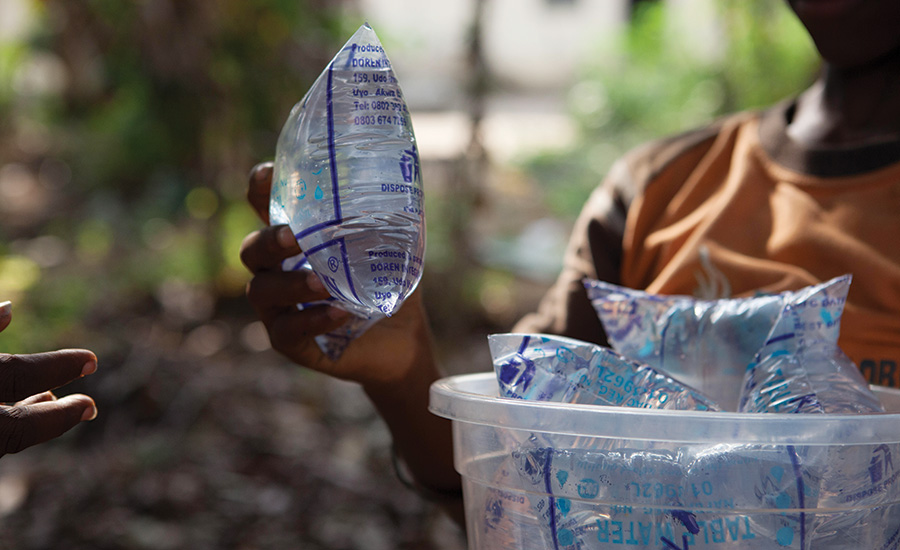
The challenges this type of water is causing out way the benefits, sachets are made from low density polyethylene a type of plastic that is not easily biodegradable furthermore they pose a huge recycling challenge which means if not picked up and thrown away in designated areas they will continue to linger around our cities for more than 90 years.
It is no doubt that the general populace ingests this water because it is easily accessible and cheap a survey conducted by Our Bantu news discovered that a bag containing 30 sachets of water goes k18 wholesale price and retailers are selling a single sachet at k1 and k2 depending on the location.
Recently the government issued a strong warning to manufacturers producing this water without proper licensing to stop or they will face the wrath of the law, however citizens are not alarmed by this information and the sachet water has continued to sell out.
The plastic wrappers have continued to block the city drainages as result flooding the city and contaminating drinking water with this situation the debate over whether or not Lusaka will ever experience a cholera free rainy season remains unresolved.